






















































 Čeština
 EUR
EUR




Screen printing

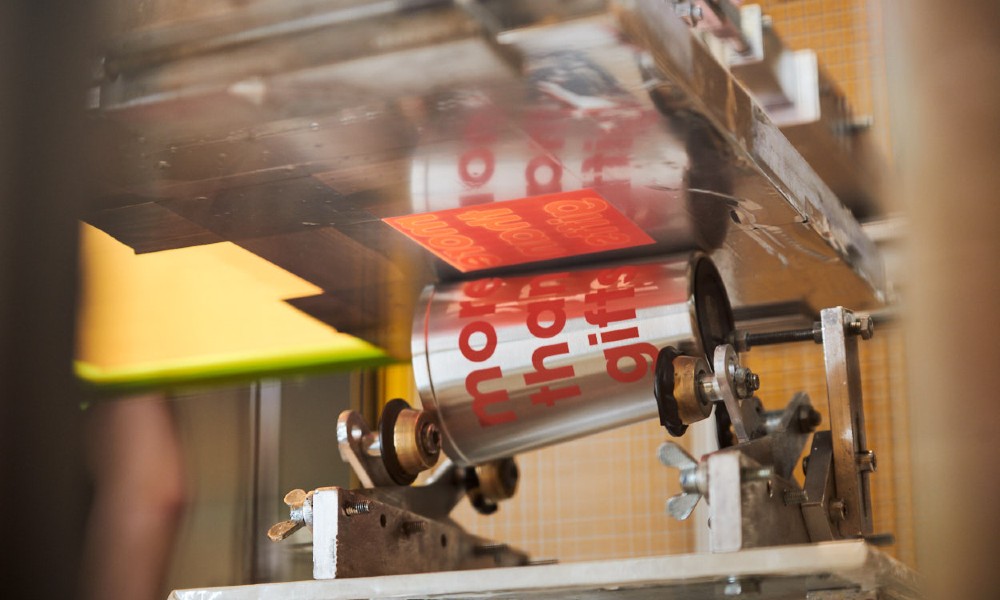
Screen printing is a traditional and versatile technology for branding promotional products, especially textiles and items with a flat or cylindrical surface. It is suitable for bold logos, larger print areas and series where good ink coverage is important. 360° rotary screen printing can also brand around bottles, mugs and similar cylindrical products. You can find a broader overview of other methods on the printing technologies page.
What is screen printing?
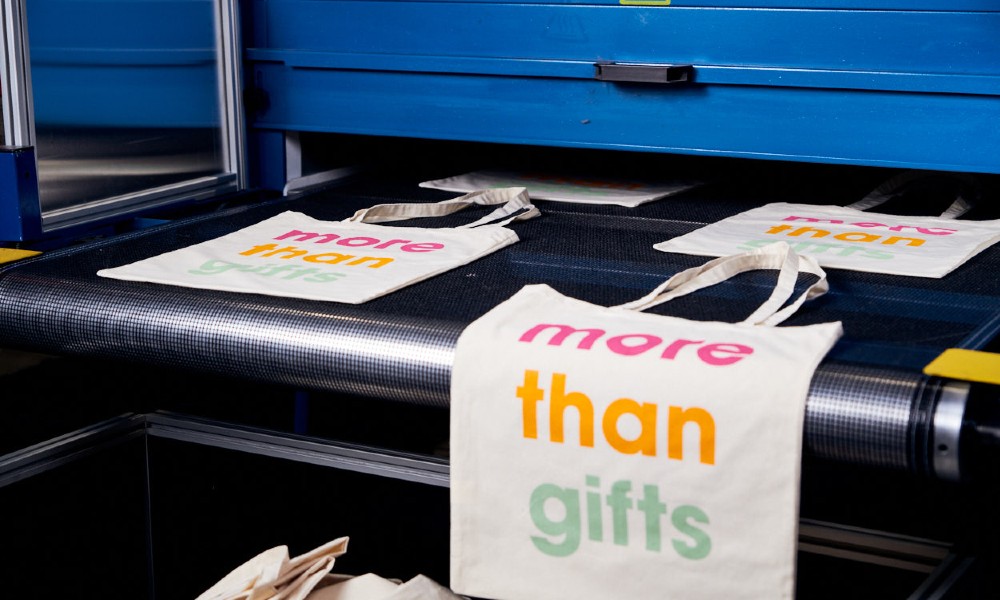
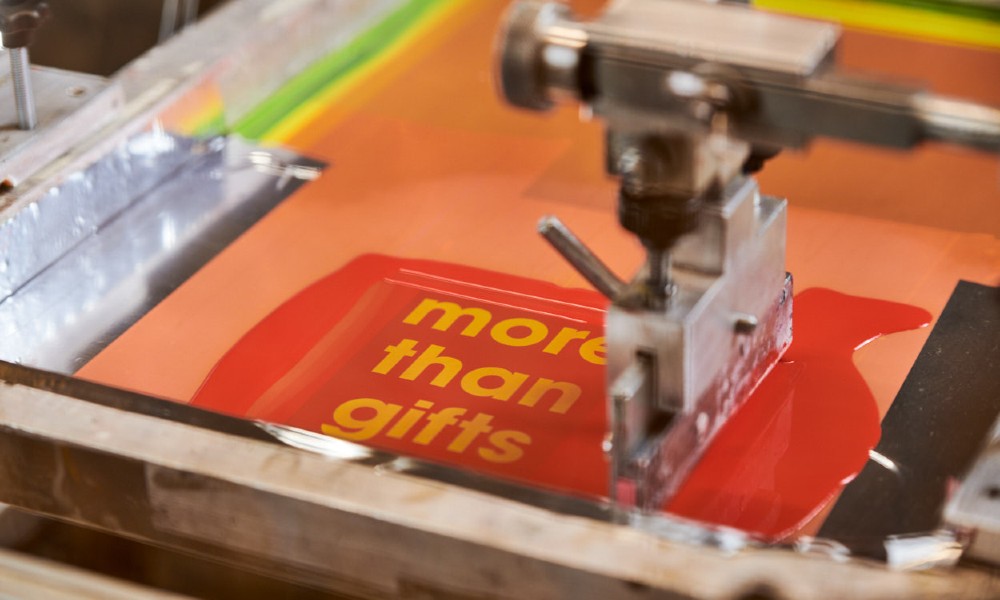
Screen printing uses a special mesh stretched in a frame. Ink is pushed through the screen with a squeegee only in the areas where the design should appear. Each spot color requires its own screen, so multi-color artwork is prepared color by color. After printing, the ink is usually heat-cured so it bonds better with the material.
360° rotary screen printing uses the same principle, but the product rotates during printing. This makes it possible to use a larger part of the circumference on cylindrical items, typically bottles, thermal mugs and selected mugs.
Large print areas
A good choice for bold logos, text and larger designs on flat surfaces.
Pantone colors
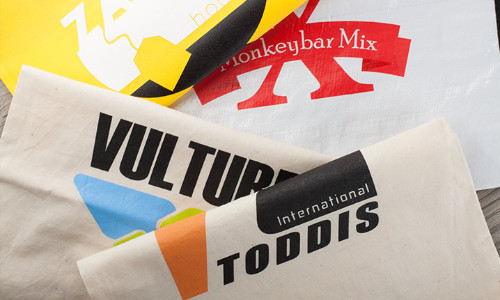
Direct PMS colors help keep brand shades accurate and provide good ink coverage.
360° rotary printing
For cylindrical products, the design can run around the item and use a larger print area.
Textiles and bags
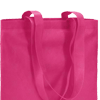
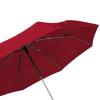
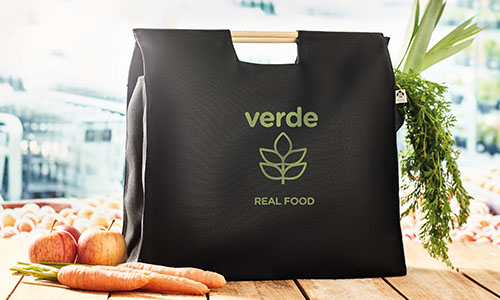
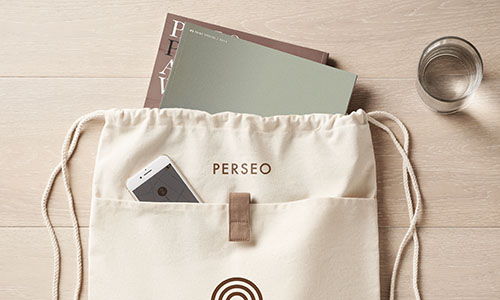
Screen printing is often used for promotional textiles, bags, umbrellas and flat gift items.
When screen printing is suitable
We recommend screen printing when the design should stand out on a larger area and when spot colors make sense. Typical use includes promotional textile, T-shirts, cotton or polyester bags, caps, umbrellas, boxes and paper or plastic products with a flat print area.
- Suitable for plastics, polypropylene, polystyrene, polyethylene, PVC, metal, glass, ceramics, wood, paper and selected textiles.
- On textiles, the result may be influenced by the fiber structure and the background color.
- For full-color designs, photos and gradients, digital printing, sublimation or transfer printing may be more suitable.
Advantages and limitations of screen printing
Advantages
- Direct Pantone colors with high brand-color accuracy.
- Cost-effective and commonly used for larger production runs.
- Large print sizes and good ink coverage.
- A suitable solution for textiles, bags and flat promotional products.
- The rotary version can brand around selected cylindrical products.
Limitations
- Only direct Pantone colors are possible, without smooth gradients or photographic motifs.
- On textiles, fibers or material texture may partly show through the print.
- Light print on a dark background may slightly change the final shade.
- Very small details may merge, so correct artwork preparation is important.
- Artwork must be supplied in vector format.
- Multi-color printing increases the cost because each color is prepared separately.
Not sure whether screen printing is suitable?
Send us the product, logo, quantity and required deadline. We will check the suitable branding technology and recommend the best next step.