

























































































 Čeština
 EUR
EUR





Screen Printing Transfer

Screen printing transfer is a precise branding method for promotional items. The design is first printed onto transfer media and then heat-applied to the product. It is especially suitable for textile products, bags and backpacks and similar items where sharp detail, strong coverage and stable Pantone colors are important. You can find a full overview of methods on the printing technologies page.
What is screen printing transfer?
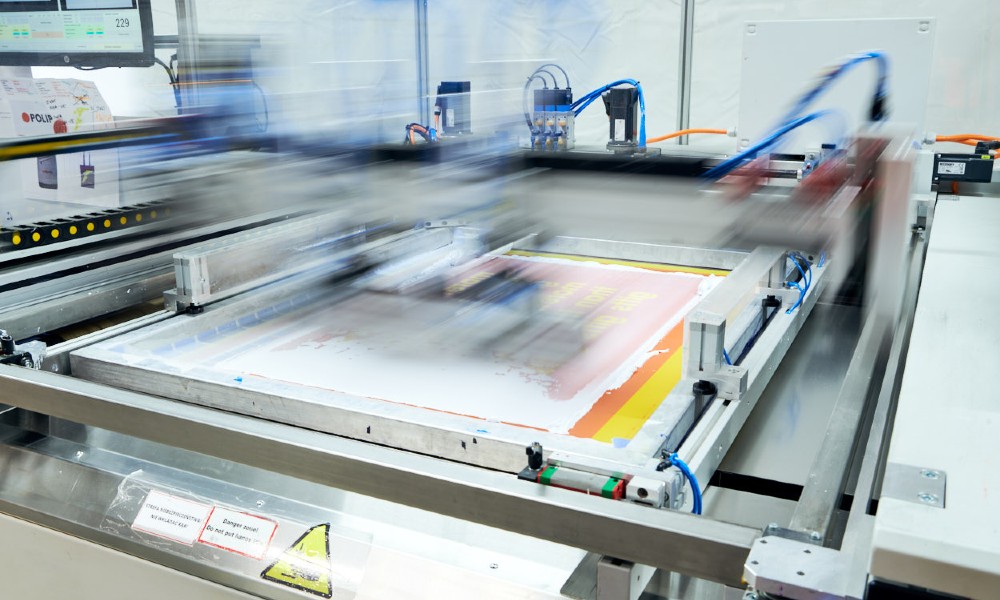
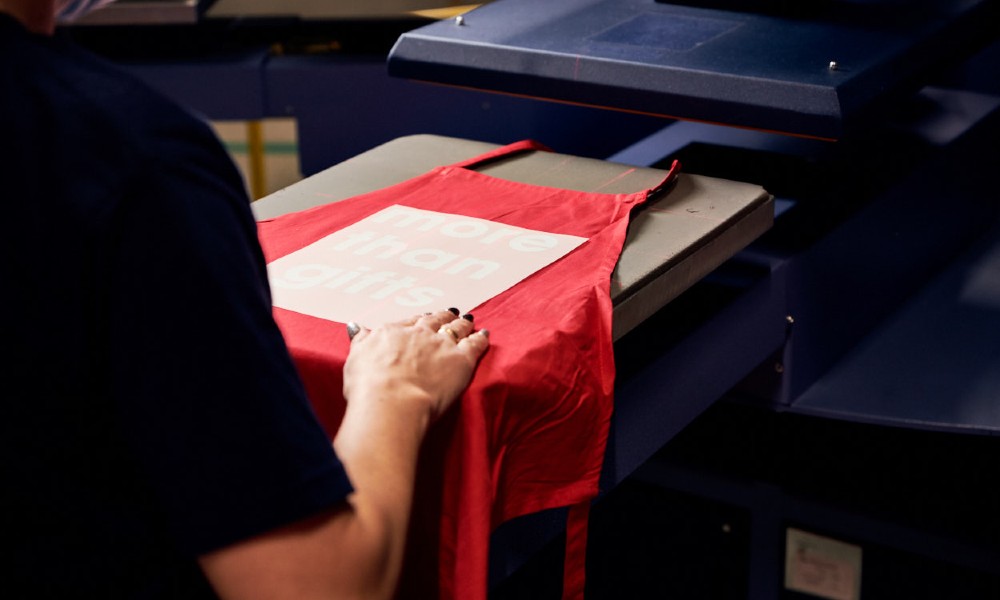
The artwork is printed color by color onto special transfer paper. An adhesive layer is then applied, and the motif is transferred to the product using heat and pressure. This creates a clean, high-contrast and durable print that works well even with finer lines and small details.
The method combines screen-printing consistency with transfer flexibility: accurate Pantone spot colors, repeatable output across batches and very good readability on structured materials. In standard production we can usually print up to 8 PMS colors, depending on artwork complexity.
Large and fine motifs
A strong fit for larger branding areas as well as finer logo elements.
Pantone colors
Spot PMS colors help maintain brand consistency and stable output.
Different materials
Suitable for textiles, technical fabrics and other items with a flat printable area.
More durable result
The transferred motif provides strong durability in regular day-to-day use.
When screen printing transfer is a good fit
This method is recommended when you need specific Pantone colors together with good detail readability across various materials. It is commonly used for branded textiles, event collections and merchandise where repeatable quality and print durability matter.
- Best for flat surfaces and products that can be safely heat pressed.
- On textile products, transfer often hides fiber show-through better than direct printing.
- For photo-like artwork and smooth gradients, digital transfer or digital printing may be more suitable.
Advantages and limitations of screen printing transfer
Advantages
- Pantone spot colors with high color accuracy.
- Durable print performance in regular use.
- On textiles, fibers are less visible thanks to the transfer layer.
- Suitable for many materials and a broad product range.
- Works well for smaller details and fine logo elements.
- Allows larger print areas depending on product type.
Limitations
- Vector artwork is the preferred input format.
- Printing is based on Pantone spot colors rather than smooth photo gradients.
- The print surface is covered by a transfer film and may feel slightly rubberized compared to direct print.
- More colors in the artwork mean higher production cost.
- This method is suitable only for products that can handle heat transfer.
Screen printing transfer examples
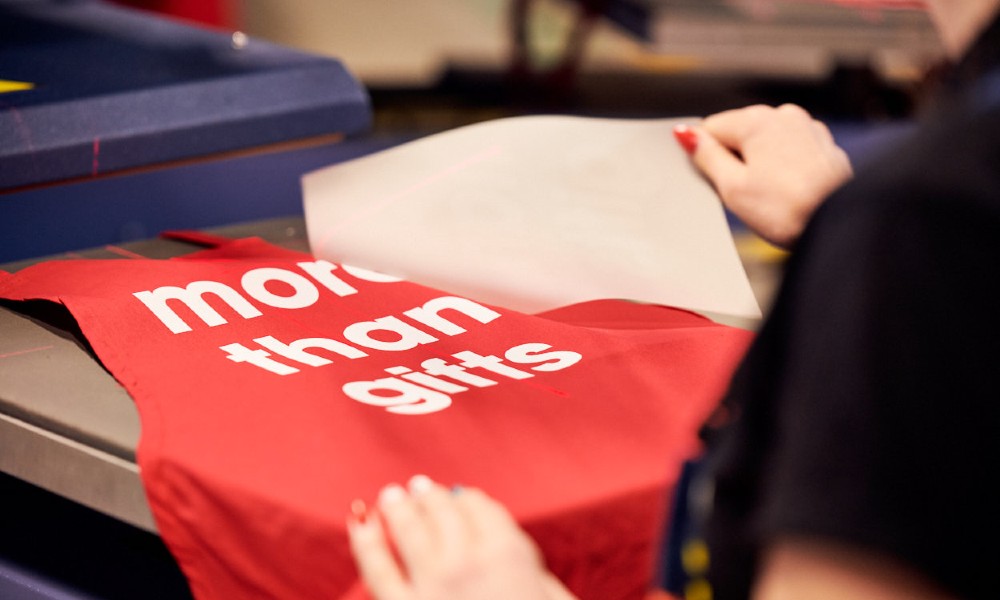
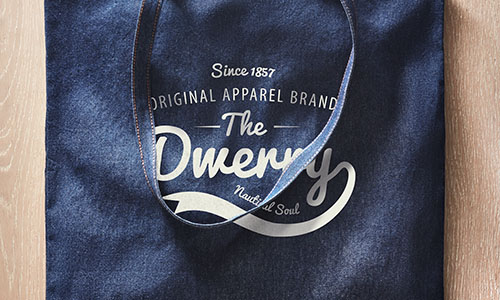
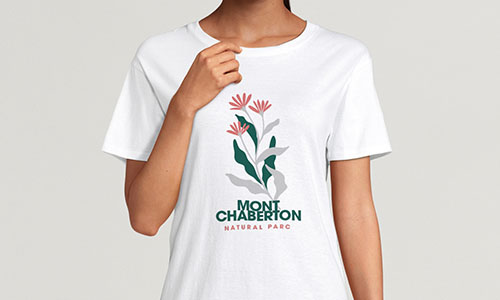

Not sure whether transfer is the right choice?
Send us your product, logo, quantity and deadline. We will recommend the most suitable method and prepare a clear production plan and quotation.